DIY Tips
Should You Repair or Replace Your Appliance?
A Practical Cost–Benefit Guide for DIY Homeowners
Figuring out whether to repair a broken appliance or replace it can feel overwhelming. This guide lays out a clear cost–benefit approach for DIY homeowners so you can decide with confidence, especially when empowered by readily available U-FIX-IT parts and comprehensive repair kits. We’ll cover the 50 percent rule, typical appliance lifespans, the real costs of repairs vs. replacements, DIY pros and cons, and basic diagnosis steps. By the end, you’ll know when a repair is a smart save and when it’s wiser to buy new.
Using the 50% Rule to Decide Repair vs Replace
The 50 percent rule is a simple guideline: if a repair costs more than half the price of a new appliance, replacement is often the better financial choice. It helps you avoid sinking money into fixes that won’t extend the appliance’s useful life enough to justify the expense. Use it as a quick check when weighing options.
How Does the 50 Percent Rule Apply to Different Appliances?
Appliances vary in price and longevity, so the 50 percent rule plays out differently depending on the unit. For example, a refrigerator repair that costs $800 versus a $1,500 replacement sits just over the 50 percent mark. Likewise, a $300 washing machine repair against a $600 new model would also point toward replacement. Those side-by-side comparisons help you make an appliance-specific call.
Can You Use a Repair or Replace Calculator to Make Informed Choices?
Yes. Several online calculators ask for an appliance’s age, expected repair cost, and replacement price, then give a recommendation—often using the 50 percent rule plus other factors. They’re a handy second opinion when you want a quick, data-driven suggestion.
How Do Appliance Lifespans Affect When to Repair or Replace?
How long an appliance typically lasts matters a lot. If a unit is near or past its expected lifespan, even modest repairs may be short-term fixes. Knowing average lifespans helps you decide whether a repair will buy you meaningful time or just delay an inevitable replacement.
What Are the Average Lifespans of Common Appliances?
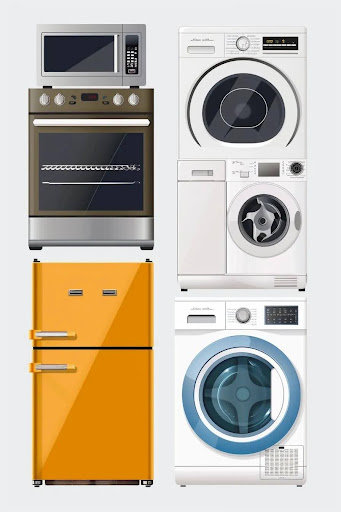
Use these averages as a guide: if your appliance is near the top of its range, a costly repair is less likely to be a good long-term investment.
How Does Appliance Age Influence Repair Cost-Benefit Analysis?
Older appliances tend to need repairs more often, and those repairs can add up. If a unit is well past its typical lifespan, repeated fixes usually cost more than replacing the appliance with a newer, more efficient model. Factor age into every repair decision.
What Are the Cost Considerations in DIY Appliance Repair vs. Replacement?
When you consider a DIY repair, compare parts and tool costs plus the chance of future breakdowns against the price of a new appliance. That full-picture view helps you see whether fixing it yourself really saves money, especially when leveraging affordable U-FIX-IT solutions.
How Do Repair Costs Compare to Replacement Costs for Major Appliances?
Repair prices vary by problem and model. For example, replacing a refrigerator compressor might run $200–$400 while a new fridge ranges from $800–$2,500. A typical washing machine fix could be $150–$300 versus $400–$1,200 for a new unit. Put your repair estimate next to a realistic replacement price to compare options clearly.
What Parts and Tools Are Needed for DIY Repairs and Their Costs?
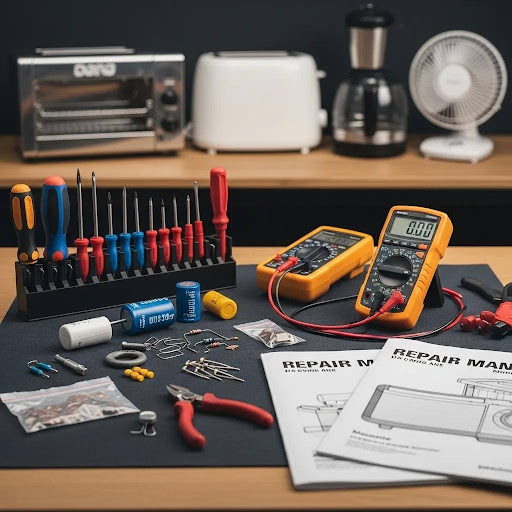
For DIY repairs, having the right parts and tools is crucial. Many U-FIX-IT kits are specifically designed to provide exactly what you need for common repairs, making the process straightforward and cost-effective. Investing in these specialized kits or individual U-FIX-IT parts can significantly reduce your overall repair expenses and empower you to tackle fixes with confidence.
Ready to Tackle Your Appliance Repair?
Explore our comprehensive range of U-FIX-IT parts, tools, and repair kits designed for DIY success. Get everything you need to bring your appliance back to life!
What Are the Benefits and Risks of DIY Appliance Repair for Homeowners?
What Are the Cost Savings and Satisfaction Benefits of DIY Repairs?
Doing the repair yourself, especially with readily available U-FIX-IT parts and kits, cuts labor costs and often trims the bill significantly. There’s also a payoff in confidence and skill—completing a fix yourself is satisfying and makes future troubleshooting easier, knowing you have reliable U-FIX-IT resources at hand.
What Safety and Warranty Risks Should DIYers Consider?
DIY work can create hazards if you’re not careful—electrical risks, gas leaks, or improper reassembly are real concerns. However, using high-quality U-FIX-IT parts and following their detailed, step-by-step instructions can help mitigate many of these risks. Plus, working on a newer appliance can void its warranty. If safety or warranty loss is likely, a pro might be the safer, smarter choice.
How Can You Diagnose Common Appliance Problems to Decide Repair or Replace?
A clear diagnosis is the first step to a sound decision. Some common problems are easy to confirm and fix yourself, especially with the right U-FIX-IT diagnostic tools; others need a pro’s eye.
What Are the Most Frequent Appliance Issues Suitable for DIY Repair?
- Clogged Drain: Usually fixable by cleaning the drain line, often with simple U-FIX-IT tools and guides.
- Faulty Door Seal: A replaceable gasket, readily available as a U-FIX-IT part specific to your model, can restore efficiency.
- Broken Light Bulb: Swapping a bulb often brings immediate function back, a quick U-FIX-IT task.
These issues are typically manageable with basic skills and can save significant service costs when using U-FIX-IT solutions.
Which Tools and Steps Are Needed for Effective DIY Diagnosis?
To diagnose most appliance problems, U-FIX-IT diagnostic tools and guides are invaluable. Have these tools on hand:
- Screwdrivers & Nut Drivers: Essential for opening panels and accessing components, often included in comprehensive U-FIX-IT toolkits.
- Digital Multimeter: A key U-FIX-IT tool to test electrical circuits, continuity, and switches, helping pinpoint faulty components with precision.
- Flashlight: For inspecting dark interior areas and hard-to-reach spots.
- Appliance-Specific U-FIX-IT Repair Manuals/Videos: Many U-FIX-IT product providers offer detailed guides and video tutorials for common models, making diagnosis much easier.
Useful diagnosis steps:
- Identify Symptoms: Note noises, leaks, or error codes.
- Research Common Issues: Check your appliance’s manual, U-FIX-IT parts diagrams, and trusted online guides for your specific model.
- Test Components: Use your multimeter and visual checks to verify faults, often guided by U-FIX-IT troubleshooting charts.
Follow these steps to decide whether a DIY repair with U-FIX-IT products is feasible—or if it’s time to call a technician.
When Is It Better to Replace an Appliance Instead of Repairing?
Certain signs point clearly to replacement: persistent safety risks, poor energy performance, or when repairs become a recurring cost. Recognizing those signs can save time and money in the long run, even when considering the convenience of U-FIX-IT solutions.
What Safety Hazards and Energy Inefficiencies Signal Replacement?
Frayed wiring, gas-related issues, or obsolete safety features are strong reasons to replace rather than repair. Similarly, older appliances that use a lot of energy can drive up utility bills—switching to a newer, efficient model often pays back over time.
How Does Parts Availability Affect the Decision to Replace?
If replacement parts are rare, costly, or obsolete, that’s a red flag that an appliance is at the end of its useful life. Even with the best U-FIX-IT intentions, if the necessary components aren’t available, replacing the unit usually makes more financial and practical sense than sourcing hard-to-find parts.