DIY Tips
Benefits of Fixing Appliances Yourself Instead of Replacing Them
Benefits of Fixing Appliances Yourself Instead of Replacing Them: A Comprehensive DIY Repair Guide
Fixing appliances yourself can be a rewarding and cost-effective alternative to replacing them. This comprehensive guide explores the numerous benefits of DIY appliance repair, including significant cost savings, environmental impact, and the satisfaction of mastering new skills. Many homeowners face the dilemma of whether to repair or replace malfunctioning appliances, often leading to unnecessary expenses and waste. By learning to fix appliances yourself, you can not only save money but also contribute positively to the environment. This article will delve into the key cost savings of DIY appliance repair, its environmental benefits, which appliances are easiest to repair, when it is worth repairing old appliances, and the essential tools and safety precautions needed for successful repairs.
Research further highlights the systemic challenges consumers often encounter when attempting appliance repairs.
What Are the Key Cost Savings of DIY Appliance Repair?
DIY appliance repair can lead to substantial financial savings compared to hiring professionals or purchasing new appliances. By understanding the costs associated with repairs versus replacements, homeowners can make informed decisions that benefit their wallets.
How Does Repair vs. Replacement Cost Compare for Common Appliances?
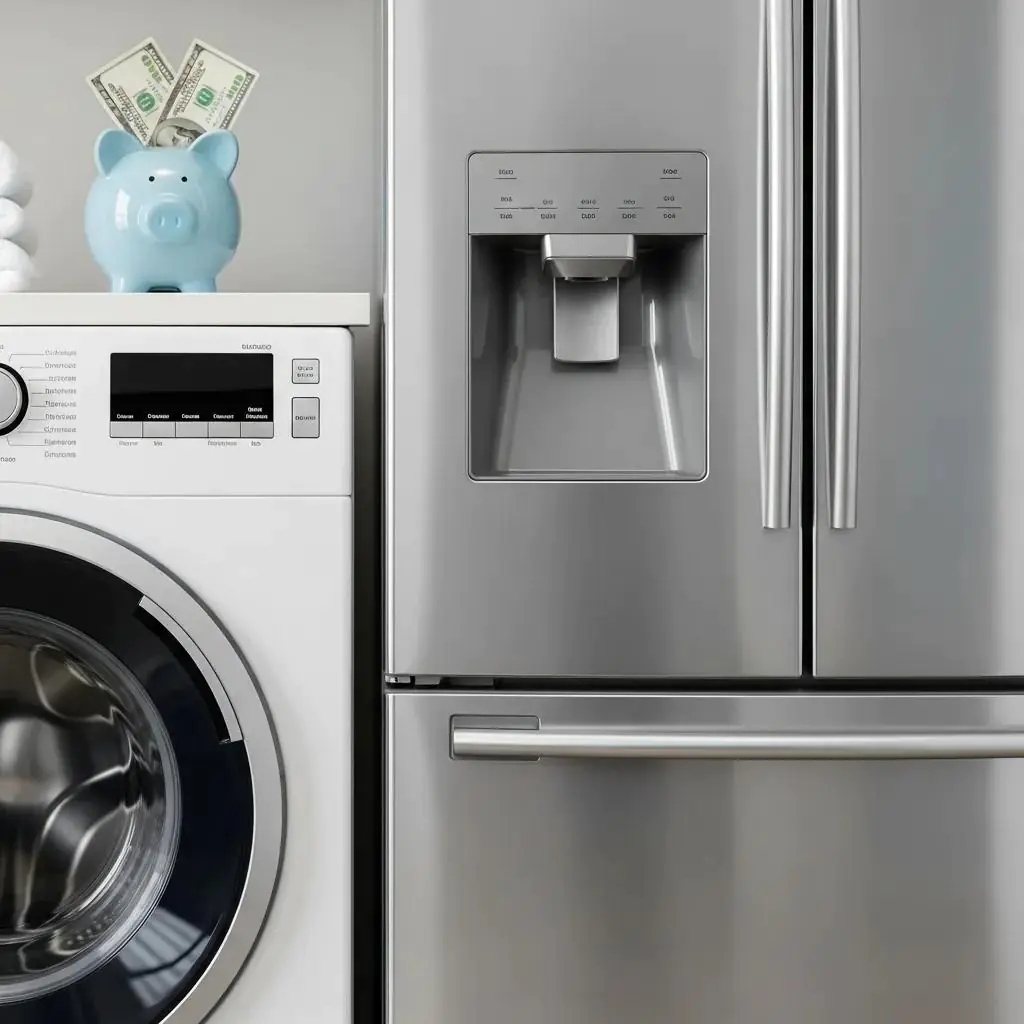
When considering whether to repair or replace an appliance, it’s essential to analyze the costs involved. For instance, repairing a washing machine may cost around $150 to $300, while a new unit can range from $400 to $1,200. Similarly, refrigerator repairs typically range from $200 to $400, whereas new models can exceed $1,000. These comparisons highlight the potential savings of opting for repairs, especially for appliances that are still in good condition.
Further studies underscore the significant financial implications of choosing to repair appliances over replacing them.
Where Can You Find Affordable Parts for DIY Appliance Fixes?
Finding affordable parts is crucial for successful DIY repairs. Many online marketplaces, such as e-commerce sites, offer a wide range of appliance parts at competitive prices. Local hardware stores and specialty appliance repair shops also provide valuable resources for sourcing parts. By shopping around, homeowners can often find the necessary components at a fraction of the cost of hiring a professional.
How Does DIY Appliance Repair Positively Impact the Environment?
Repairing appliances instead of replacing them has significant environmental benefits. By choosing to fix rather than discard, homeowners can contribute to reducing waste and conserving resources.
In What Ways Does Repair Reduce E-Waste and Landfill Contributions?
E-waste is a growing concern, with millions of tons of electronic devices ending up in landfills each year. By repairing appliances, individuals can significantly reduce their contribution to this problem. For example, studies show that extending the life of appliances through repairs can prevent thousands of pounds of waste from entering landfills, thereby minimizing environmental impact.
How Does Fixing Appliances Conserve Resources and Lower Carbon Footprint?
Repairing appliances conserves valuable resources by reducing the demand for new products. Manufacturing new appliances requires significant energy and raw materials, contributing to carbon emissions. By opting for repairs, homeowners can lower their carbon footprint and promote a more sustainable lifestyle. This approach not only benefits the environment but also encourages a culture of resourcefulness and responsibility.
Which Common Home Appliances Are Easy to Repair Yourself?
Certain appliances are particularly well-suited for DIY repairs, making them accessible for homeowners looking to save money and learn new skills.
What Are Simple Troubleshooting Steps for Washing Machines and Refrigerators?
Washing machines and refrigerators are among the most common household appliances that can be repaired with basic troubleshooting. For washing machines, checking the power supply, inspecting hoses for blockages, and cleaning filters can resolve many issues. Similarly, for refrigerators, ensuring proper temperature settings, cleaning condenser coils, and checking door seals can often fix common problems without the need for professional help.
How Can You Maintain Dryers, Ovens, and Dishwashers for Better Efficiency?
Regular maintenance of dryers, ovens, and dishwashers can enhance their efficiency and prolong their lifespan. Simple tasks such as cleaning lint traps in dryers, checking oven seals, and descaling dishwashers can prevent breakdowns and improve performance. Homeowners can save money on repairs and energy costs by incorporating these maintenance practices into their routines.
When Is It Worth Repairing Old Appliances Instead of Replacing Them?
Determining whether to repair or replace an old appliance can be challenging. Understanding key factors can help homeowners make the best decision.
What Is the 50 Percent Rule for Repair vs. Replacement Decisions?
The 50 percent rule suggests that if the cost of repairs exceeds 50 percent of the price of a new appliance, it may be more economical to replace it. This guideline helps homeowners evaluate the financial implications of their choices and make informed decisions about their appliances.
How Do Appliance Age and Condition Affect Repair Feasibility?
The age and condition of an appliance play a significant role in determining whether it is worth repairing. Generally, appliances that are less than 10 to 12 years old and in good working condition are more likely to be worth repairing. Conversely, older appliances may require more frequent repairs, making replacement a more viable option in the long run.
What Essential Tools and Safety Precautions Are Needed for DIY Appliance Repair?
Equipping yourself with the right tools and understanding safety precautions is crucial for successful DIY appliance repairs.
Which Tool Kits Are Recommended for Home Appliance Repairs?
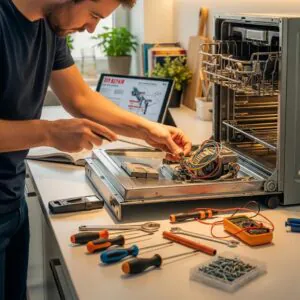
A basic tool kit for appliance repairs should include essential items such as screwdrivers, pliers, a multimeter, and a socket set. Additionally, specialized tools like a nut driver or a torque wrench may be necessary for specific repairs. Investing in a quality tool kit can make the repair process more efficient and effective.
What Safety Measures Should You Follow for Electrical and Gas Appliances?
Safety is paramount when working with electrical and gas appliances. Always disconnect power sources before beginning repairs, and use appropriate personal protective equipment, such as gloves and safety goggles. For gas appliances, ensure proper ventilation and check for gas leaks before proceeding with any repairs. Following these safety measures can help prevent accidents and ensure a successful repair experience.